
Makalu Base Camp Trek: Nepal's Most Underrated Himalayan Adventure
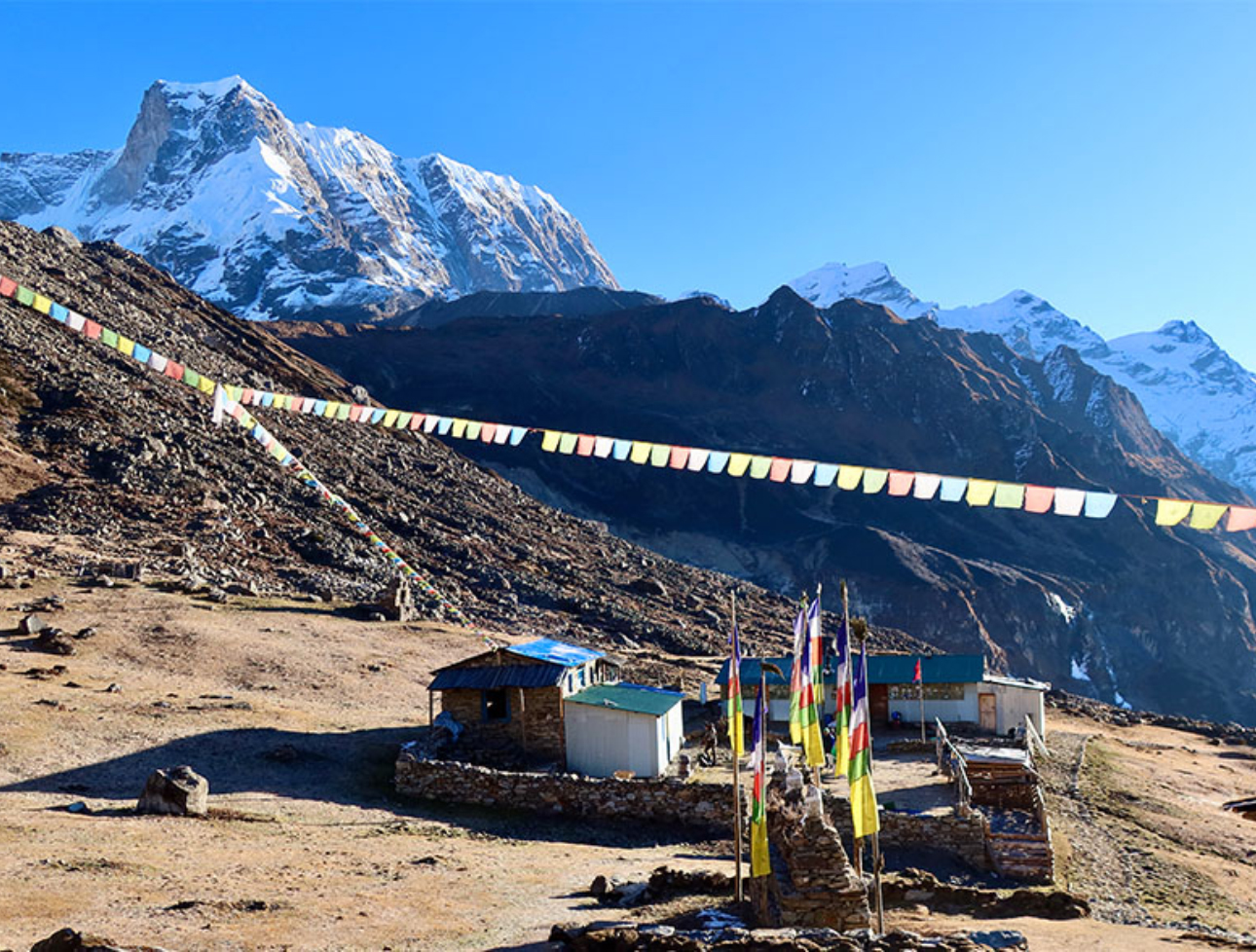
When people talk about trekking in Nepal, names like Everest Base Camp and Annapurna Circuit usually dominate the conversation. But hidden in the remote eastern Himalayas lies a trail that many experienced trekkers consider one of Nepal's greatest adventures, the Makalu Base Camp Trek.
Makalu Base Camp Trek isn't new. Long before it started trending on social media, seasoned trekkers regarded it as one of the country's most rewarding wilderness expeditions. Here, you'll find dramatic Himalayan landscapes, ancient rhododendron forests, glacial rivers, remote mountain villages, and breathtaking views of Mount Makalu (8,485 meters) the fifth-highest mountain in the world.
Unlike the crowded trails leading to Everest or Annapurna, Makalu offers something increasingly difficult to find in modern trekking: solitude. It's not unusual to walk for hours surrounded only by towering peaks, flowing rivers, and untouched forests.
If you're looking for an authentic Himalayan adventure that combines challenging trekking with extraordinary natural beauty, the Makalu Base Camp Trek should be at the top of your travel list.
Why is Makalu Base Camp Suddenly Trending?
The Makalu region has always been admired by mountaineers and experienced trekkers, but it rarely received mainstream attention. That changed when Balen Shah documented his journey across the trail, inspiring thousands of Nepalis to discover a destination many had never considered.
Social media helped shine a spotlight on Makalu's rugged beauty, but the growing interest isn't simply because of one trek. Travelers today are increasingly searching for less-commercialized destinations where they can experience nature without the crowds. Makalu offers exactly that.
Unlike more famous trekking routes, you'll rarely encounter long lines of trekkers or busy tea houses. Instead, you'll pass through peaceful villages, dense forests, alpine meadows, and vast mountain valleys that remain largely untouched by mass tourism.
The renewed attention has encouraged more domestic and international travelers to explore eastern Nepal, making now an excellent time to experience Makalu before it becomes one of the country's busiest trekking destinations.
Where is Makalu Base Camp?
The Makalu Base Camp Trek is located in Sankhuwasabha District in eastern Nepal, within the spectacular Makalu Barun National Park. The park stretches across an incredible range of ecosystems, from subtropical forests below 500 meters to snow-covered Himalayan peaks rising above 8,000 meters.
Established in 1992, Makalu Barun National Park is one of Nepal's richest conservation areas. It protects thousands of species of plants, hundreds of bird species, and rare wildlife, making the trek just as appealing to nature lovers as it is to adventure seekers.
The trek eventually reaches Makalu Base Camp at an altitude of approximately 4,870 meters, where trekkers are rewarded with panoramic views of towering Himalayan giants.
From the base camp, visitors can admire:
- Mount Makalu (8,485 m)
- Mount Everest (8,849 m)
- Lhotse (8,516 m)
- Baruntse (7,129 m)
- Chamlang (7,319 m)
- Peak 6 and Peak 7
The combination of dramatic mountain scenery and remarkable biodiversity makes the Makalu region unlike anywhere else in Nepal.
Why Choose the Makalu Base Camp Trek?
Many trekking routes in Nepal offer beautiful mountain views. What makes the Makalu Base Camp Trek different is the complete experience. From the moment you leave the road behind, you're immersed in a landscape that feels genuinely wild and unexplored.
- Experience One of Nepal's Last True Wilderness Treks
- Incredible Himalayan Mountain Views
- Rich Biodiversity
- Authentic Himalayan Culture
- A Challenge Worth Every Step
How to Reach Makalu Base Camp
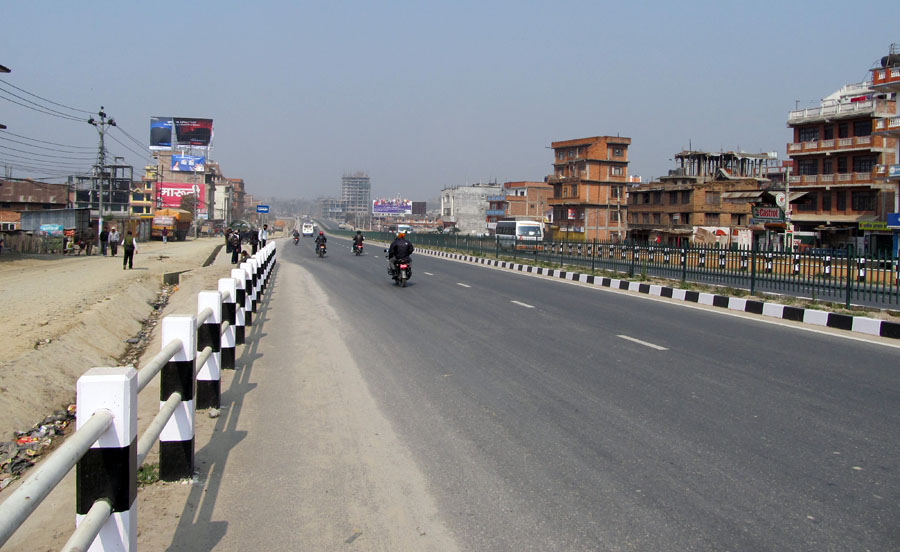
One of the biggest misconceptions about the Makalu Base Camp Trek is that reaching the trailhead is complicated. While it does require more planning than some of Nepal's popular trekking routes, the journey itself is part of the adventure.
Most trekkers begin their trip in Kathmandu before traveling to Tumlingtar, the main gateway to the Makalu region. From there, a scenic drive leads to Num, the official starting point of the trek.
Depending on your budget, schedule, and preference, there are two common ways to reach the trailhead.
Option 1: Fly to Tumlingtar
The quickest route is to take a domestic flight from Kathmandu to Tumlingtar Airport, which takes approximately 50 minutes.
After landing, you'll continue by jeep or local vehicle to Num, a journey of around 4–5 hours through winding mountain roads and picturesque villages.
This option is ideal for trekkers with limited time or those who prefer a shorter journey before beginning the trek.
Option 2: Travel by Road
If you enjoy road trips and want to experience more of eastern Nepal, traveling by road is an excellent alternative.
The journey typically follows this route:
Kathmandu → Dharan → Khandbari → Num
Traveling overland allows you to witness Nepal's changing landscapes, from bustling cities and fertile plains to rolling hills and remote mountain settlements.
For travelers planning to reach eastern Nepal by bus, booking tickets in advance through BusSewa makes the journey easier and more convenient, especially during peak travel seasons when seats fill up quickly. Once you arrive in the region, local jeeps provide transportation to Num, where the trekking adventure officially begins.
17-Day Makalu Base Camp Trek Itinerary
The classic Makalu Base Camp Trek follows a 17-day itinerary that allows enough time for gradual altitude gain and proper acclimatization. While some experienced trekkers complete the journey faster, following this schedule reduces the risk of altitude sickness and allows you to fully enjoy the incredible scenery.
| Day | Route | Summary |
|---|---|---|
| 1 | Kathmandu → Tumlingtar → Num | Flight/drive to eastern Nepal, scenic road journey to Num (gateway village) |
| 2 | Num → Seduwa | Steep descent, river crossing, entry to Makalu region |
| 3 | Seduwa → Tashigaon | Forest trails and villages, last permanent settlement |
| 4 | Tashigaon → Khongma Danda | Tough ascent through forests to ridge with mountain views |
| 5 | Khongma Danda → Dobato | Cross high passes, alpine ridges, scenic descent |
| 6 | Dobato → Yangle Kharka | Descend into Barun Valley with rivers and forests |
| 7 | Yangle Kharka | Acclimatization/rest day |
| 8 | Yangle Kharka → Shiva Dhara → Yangle Kharka | Side hike for altitude adaptation and sacred waterfall visit |
| 9 | Yangle Kharka → Langmale Kharka | Alpine meadows, rising altitude, glacial views |
| 10 | Langmale Kharka → Makalu Base Camp | Reach base camp with dramatic views of Mount Makalu |
| 11 | Makalu Base Camp | Exploration, photography, sunrise views |
| 12 | Makalu Base Camp → Yangle Kharka | Begin descent through Barun Valley |
| 13 | Yangle Kharka → Dobato | Return trek with different perspective |
| 14 | Dobato → Khongma Danda | Steep climb back over high ridges |
| 15 | Khongma Danda → Seduwa | Descent into forests and villages |
| 16 | Seduwa → Num → Tumlingtar | Final trek + drive back |
| 17 | Tumlingtar → Kathmandu | Return to capital |
How Much Does the Makalu Base Camp Trek Cost?
One of the most common questions travelers ask is, "How much does the Makalu Base Camp Trek cost?" The answer depends on whether you choose an organized trekking package or plan the journey independently.
Since Makalu is a remote trekking destination, transportation and logistics generally cost more than those for popular routes like Annapurna Base Camp. However, the experience of exploring one of Nepal's least-crowded Himalayan trails makes the investment worthwhile.
Below is an estimated cost breakdown for a typical 17-day trek.
| Expense | Estimated Cost (NPR) |
|---|---|
| Transportation (Bus/Flight & Jeep) | 15,000 – 35,000 |
| National Park & Local Permits | 4,000 – 6,000 |
| Guide (per day) | 3,500 – 5,000 |
| Porter (per day) | 2,500 – 3,500 |
| Tea House Accommodation | 800 – 2,000 per night |
| Meals | 2,000 – 3,500 per day |
| Snacks & Drinks | 5,000 – 8,000 |
| Charging & Wi-Fi | 1,500 – 3,000 |
| Emergency Expenses | 5,000+ |
Estimated Total Budget
- Budget Trek: NPR 70,000–90,000
- Comfortable Trek: NPR 100,000–140,000
- Fully Organized Package: NPR 170,000–250,000+ (depending on services included)
Permits Required for the Makalu Base Camp Trek
| Permit | Purpose | Estimated Cost (NPR) | Key Details | Notes |
|---|---|---|---|---|
| Makalu Barun National Park Entry Permit | Entry to protected conservation area | NPR 3,000 (foreigners) / NPR 1,500 (SAARC) | Required to enter Makalu Barun National Park | Supports conservation, wildlife protection, and park maintenance |
| Makalu Rural Municipality Permit | Local trekking region permit | NPR 2,000–3,000 (approx.) | Required for accessing Makalu rural area | Fees may vary slightly by season or municipality updates |
Common Challenges on the Makalu Base Camp Trek in point format
Frequently Asked Questions
How difficult is the Makalu Base Camp Trek?
How many days does the Makalu Base Camp Trek take?
What is the maximum altitude of the trek?
Do I need a guide for Makalu Base Camp Trek?
What is the best season for the Makalu Base Camp Trek?
1. Spring (March–May)
2. Autumn (September–November)
These months offer stable weather and clear mountain views.