
Kakre Bihar, Surkhet: Exploring Karnali's Ancient Stone Monastery
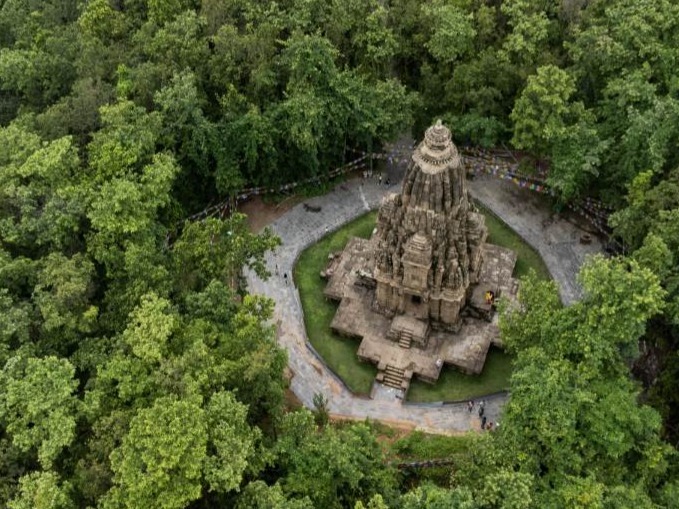
Hidden above the heart of Surkhet Valley stands a remarkable monument that has witnessed centuries of history, faith, and cultural transformation. Perched atop Latikoili Hill, Kakre Bihar is one of Nepal's most important archaeological sites and a symbol of Karnali's rich heritage.
Built more than 700 years ago, this ancient stone monastery reflects the artistic brilliance of the Khasa Kingdom and offers visitors a unique blend of history, spirituality, architecture, and natural beauty. Whether you are a history enthusiast, a cultural traveler, or simply looking for places to visit in Surkhet, Kakre Bihar deserves a place on your itinerary.
Quick Facts About Kakre Bihar
| Facts | Information |
| Location | Latikoili Hill, Birendranagar-9, Surkhet |
| Province | Karnali Province |
| Built | 13ᵗʰ Century |
| Builder | King Ashok Challa |
| Religious Tradition | Mahayana Buddhism |
| Architectural Style | Shikhara Style Stone Temple |
| Best Time to Visit | October-April |
| Visit Duration | 1-2 Hours |
| Ideal For | History, Culture, Hiking, Photography |
Where is Kakre Bihar Located?
Kakre Bihar is located in Birendranagar Municipality–9 of Surkhet District in Karnali Province. The monument sits atop Latikoili Hill within a protected forest area covering approximately 175.5 hectares. The site overlooks Surkhet Valley, the largest inner Terai valley of Nepal. Surrounded by lush forests and scenic landscapes, the hill provides visitors with panoramic views of the valley and surrounding hills. Despite its historical significance, Kakre Bihar remains one of Nepal's lesser-known heritage destinations, making it an ideal place for travelers seeking a quieter and more authentic experience.
The History of Kakre Bihar
The origins of Kakre Bihar date back to the 13th century during the reign of King Ashok Challa of the Khasa Kingdom. Historical inscriptions indicate that around 1268 CE, Ashok Challa commissioned the construction of the monastery as an important religious and cultural center. At the time, the Khasa Kingdom controlled much of western Nepal and maintained strong trade and cultural connections with Tibet and northern India. As a follower of Mahayana Buddhism, the king envisioned Kakre Bihar as a place where religious practice, scholarship, and cultural exchange could flourish. Its strategic location along historic trade corridors allowed monks, pilgrims, scholars, and merchants to pass through the region, contributing to the spread of Buddhist knowledge across the Himalayas.
A Medieval Center of Buddhist Learning
Beyond its religious role, Kakre Bihar may have served as an important center of learning and manuscript preservation. During the medieval period, western Nepal played a significant role in maintaining Buddhist traditions across the Himalayan region. Some researchers suggest that monasteries such as Kakre Bihar helped preserve Buddhist texts and scholarly knowledge during periods of political instability elsewhere in South Asia. Although much of its academic history remains under study, the site's cultural importance within Himalayan Buddhism is widely recognized.
Architectural Brilliance in Stone
One of the most fascinating aspects of Kakre Bihar is its architecture. The temple was constructed in the Shikhara style, a prominent North Indian architectural tradition characterized by a towering superstructure rising above the sanctum. What makes Kakre Bihar particularly remarkable is its dry-stone construction technique. The structure was built without the use of mortar, relying instead on carefully carved stone blocks fitted together with extraordinary precision. Architectural studies have identified influences from:
- Khasa architecture of western Nepal
- North Indian Nagara temple traditions
- Maru-Gurjara architectural styles of western India
- Vajrayana Buddhist artistic principles
The resulting monument represents a unique fusion of craftsmanship, engineering, and religious symbolism rarely seen elsewhere in Nepal.
Archaeological Discoveries
Systematic archaeological excavations began in 2001 under Nepal's Department of Archaeology. Researchers uncovered more than 2,000 stone artifacts and architectural fragments, including:
- Buddha statues
- Dharmachakra (Wheel of Law) motifs
- Stone reliefs depicting scenes from Buddha's life
- Images of Saraswati, Ganesh, Shiva, and Parvati
- Decorative carvings and structural elements
These discoveries reveal the rich artistic traditions of the Khasa period and demonstrate the coexistence of Buddhist and Hindu cultural influences in medieval western Nepal.
The Remarkable Reconstruction
For centuries, Kakre Bihar remained in ruins. Natural disasters, weathering, and the passage of time gradually reduced the structure to scattered stone fragments. In one of Nepal's most significant heritage conservation efforts, the Department of Archaeology initiated a large-scale restoration project using anastylosis a technique that reconstructs monuments using their original materials. Between 2015 and 2019, thousands of recovered stone blocks were carefully studied, catalogued, and reassembled. The result is the restored six-meter-high structure that visitors see today. The reconstruction stands as a testament to Nepal's commitment to preserving its cultural heritage.
Local Legends and Folklore
Like many ancient monuments across Nepal, Kakre Bihar is surrounded by fascinating stories and local traditions. One popular legend links the site to the Pandava brothers from the Mahabharata, suggesting they once stayed in the area during their exile.
Another tradition associates the monastery with Krakuchchhanda Buddha, one of the ancient Buddhas mentioned in Buddhist texts, leading some to believe the site's original name may have evolved over time. While these stories are difficult to verify historically, they continue to enrich the cultural identity of the monument.
What You'll Experience During Your Visit
A visit to Kakre Bihar offers much more than an opportunity to see an ancient monument. The journey begins with a pleasant walk through a peaceful forested area. As you climb toward the hilltop, the sounds of the city gradually fade, replaced by birdsong and the tranquility of nature. Upon reaching the site, visitors are rewarded with:
- Panoramic views of Surkhet Valley
- Ancient stone architecture
- Peaceful forest surroundings
- Photography opportunities
- Cultural and spiritual significance
- A glimpse into Karnali's medieval history
Early mornings and late afternoons are particularly rewarding for photography and sightseeing.
How to Reach Kakre Bihar
The nearest urban center is Birendranagar, the capital of Karnali Province. Travelers can reach Surkhet by road from major cities across Nepal. From Birendranagar, Kakre Bihar is accessible via a short drive to Latikoili followed by an easy uphill walk to the monument. Visitors traveling from Kathmandu, Pokhara, Nepalgunj, Dang, Chitwan, or other cities can conveniently book bus tickets through BusSewa before continuing their journey to Kakre Bihar.
Other Places to Visit Near Kakre Bihar
If you're exploring Surkhet, consider visiting:
- Bulbule Lake
- Deutibajai Temple
- Birendranagar City Viewpoint
- Surkhet Valley
- Gadhi Heritage Sites
- Local cultural and community tourism destinations
Together, these attractions offer a deeper understanding of Karnali's natural beauty and cultural heritage.
Frequently Asked Questions
-Why is Kakre Bihar famous?
Kakre Bihar is famous for its medieval stone architecture, Buddhist heritage, archaeological significance, and panoramic views of Surkhet Valley.
-Who built Kakre Bihar?
Historical records attribute the construction of Kakre Bihar to King Ashok Challa of the Khasa Kingdom during the 13th century.
-Is Kakre Bihar a Buddhist or Hindu site?
Kakre Bihar was originally established as a Buddhist monastery, although archaeological findings indicate strong cultural interactions between Buddhist and Hindu traditions.
-How old is Kakre Bihar?
The monument is more than 700 years old, dating back to approximately 1268 CE.
-How far is Kakre Bihar from Birendranagar?
The site is located a short distance from Birendranagar and can be reached through a combination of road travel and a brief hike.
Book with BusSewa
Kakre Bihar is much more than a historic monument. It is a window to the cultural, religious and artistic achievements of mediaeval western Nepal. Originating in the time of King Ashok Challa, the monument has been a part of the region’s Buddhist heritage and has witnessed a modern-day revival. Its story is one of resilience, artistry, and timeless cultural significance.
For those coming to Surkhet or travelling to Karnali Province, Kakre Bihar is an unforgettable journey into one of Nepal’s most fascinating historical chapters.
Plan your travel to Surkhet beforehand with BusSewa and make your journey smoother and stress-free. Book your bus beforehand to have a comfortable and reliable bus booking experience before you start your exploration of Kakre Bihar.